

Share This Article
Two years of increased maintenance funding have delivered measurable improvements across Harris County.
Here’s a look at some of what we’ve accomplished in the two years since voters approved dedicated maintenance funding:
- 200+ miles of sediment removed
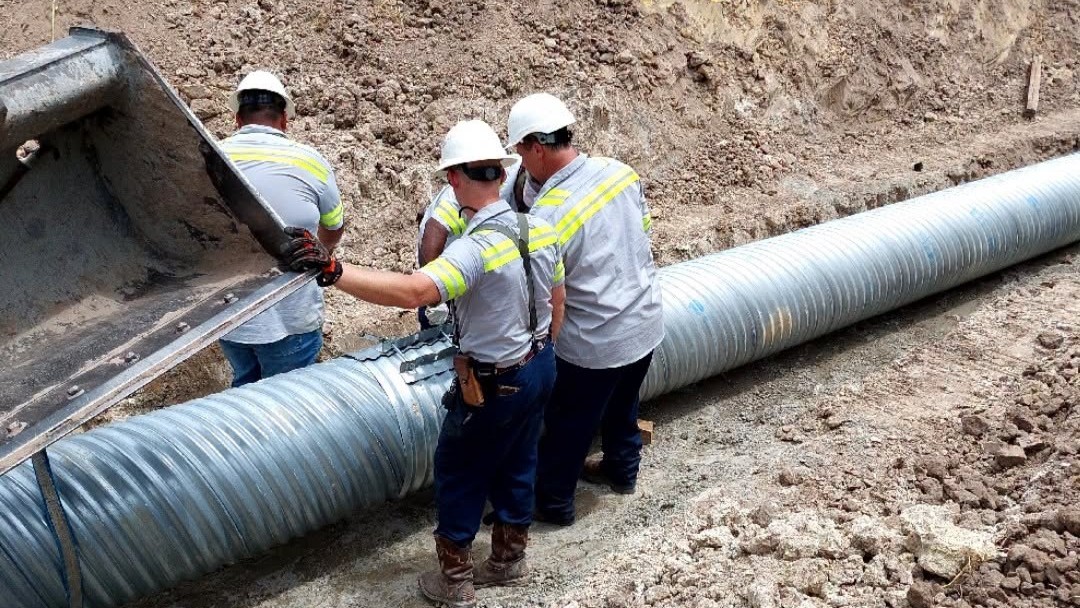
- 400+ outfalls repaired or replaced
- 580+ acres of wildflowers and native grasses planted
- 47,000+ trees planted
These numbers represent real work happening across Harris County every day to maintain our extensive flood control infrastructure.
Turning Funding Into Results
Two years after Harris County voters approved an additional $100 million in annual maintenance funding, the Harris County Flood Control District continues to put that investment to work through maintenance projects across the county.
These accomplishments highlight the scale of work underway to maintain Harris County’s extensive network of bayous, creeks and drainage channels. From removing accumulated sediment to repairing drainage infrastructure and planting native vegetation, each effort supports the long-term maintenance of the county’s flood control system.
Sediment removal helps maintain the capacity of drainage channels to carry stormwater, while repairing and replacing outfalls addresses the structures where stormwater enters bayous and channels from surrounding drainage systems.
Planting native grasses, wildflowers and trees also supports the Flood Control District’s environmental stewardship efforts by helping stabilize soil, manage erosion and provide habitat for local wildlife.
Together, these improvements demonstrate how increased maintenance funding is supporting both flood risk reduction and the long-term condition of Harris County’s drainage infrastructure.
Why Ongoing Maintenance Matters
Harris County’s drainage infrastructure requires regular attention to remain functional. Over time, sediment, debris and vegetation can accumulate in channels, while aging structures may require repairs or replacement.
Without routine maintenance, these conditions can reduce drainage capacity, contribute to erosion and increase the likelihood of costly repairs.
Through its Impact in Action series, the Flood Control District is giving residents a closer look at the employees, equipment and projects behind these efforts.
As Infrastructure Director Jason Krahn explained, maintaining bayous and channels means keeping the system in an “ever-ready state” by addressing debris, trash and other maintenance needs that can affect stormwater flow.
Learn What’s Next at an Upcoming Virtual Meeting
The Flood Control District invites residents to learn more about the progress made during the second year of increased maintenance funding and what is planned for the future.
Two virtual public meetings will provide an opportunity to hear updates, learn about ongoing maintenance efforts and ask questions.
Upcoming Virtual Public Meetings:
- Tuesday, December 8, 2026, at 12:30 p.m.
- Thursday, December 10, 2026, at 6:30 p.m.
Residents can also support these efforts by properly disposing of trash, keeping debris out of local waterways and reporting maintenance concerns along bayous and channels.
Register today at HCFCD.org/Maintenance to learn more about how increased maintenance funding is making a difference across Harris County.