

Share This Article
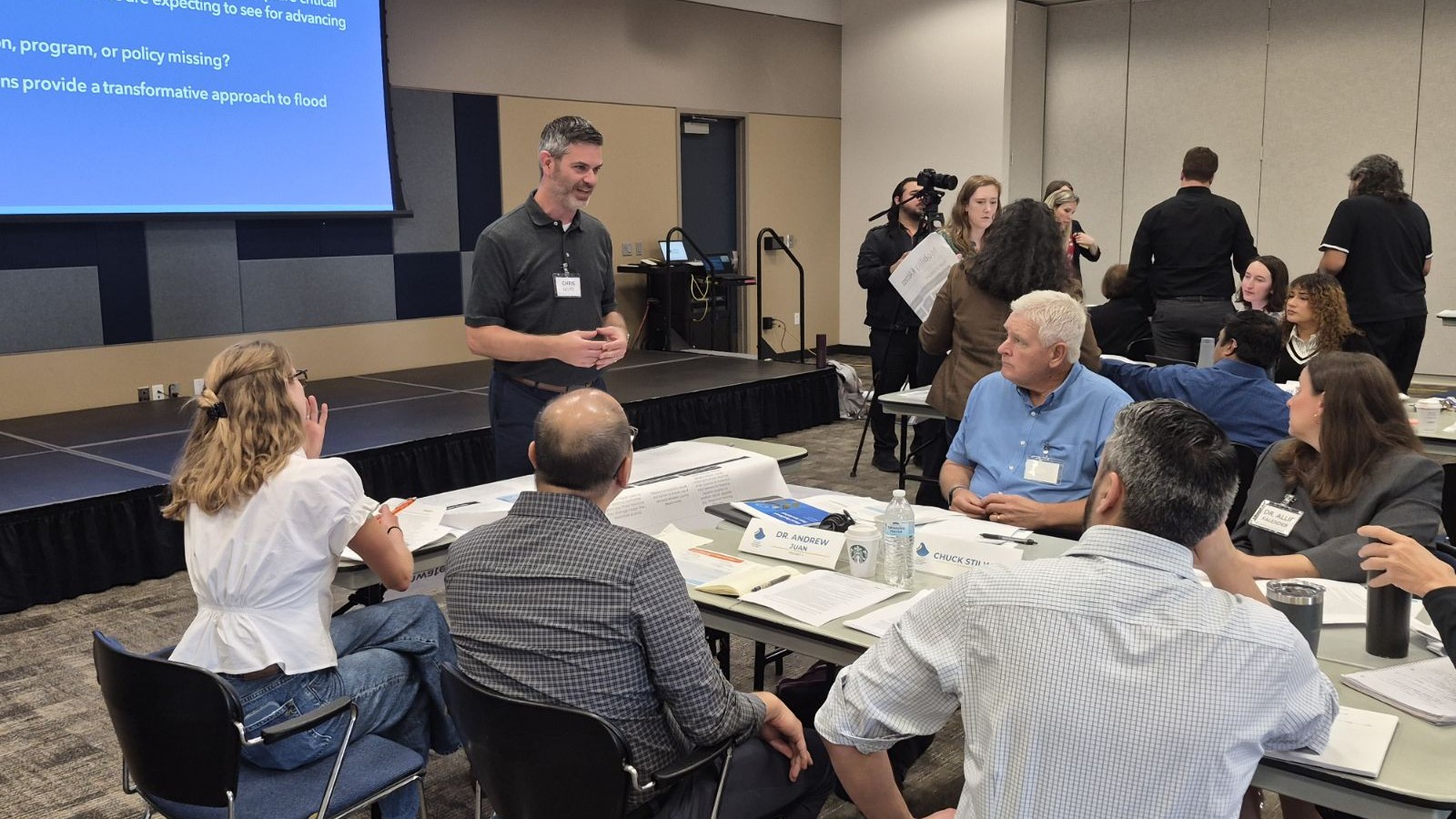
As Harris County continues to face growing flood risks, the Community Flood Resilience Task Force (CFRTF) convened for a working retreat focused on shaping the future of flood resilience across the region. A key partner of the Harris County Flood Control District, the CFRTF explored big-picture strategies to better protect residents, strengthen communication, and guide long-term planning.
The Flood Control District supports the CFRTF by providing technical insight, data, and coordination, translating complex flood risk information into actionable strategies, while the CFRTF ensures those strategies reflect community needs and reviews data through the lens of lived experience. This collaboration helps ensure that efforts are informed by community perspectives, especially when it comes to equity, education, and long term flood resilience.
The retreat included a working session tied to the ongoing Flood Resilience Plan, where CFRTF members evaluated strategies and discussed how to align them with identified community needs. These discussions were informed by recent vulnerability assessment work that examines flood risk through factors such as exposure, sensitivity, and community impact, helping ground conversations in both data and lived experience.
Main Themes from the CFRTF Retreat
Discussions during the CFRTF retreat centered on a shared goal: building a more coordinated, equitable, and forward looking approach to flood resilience.
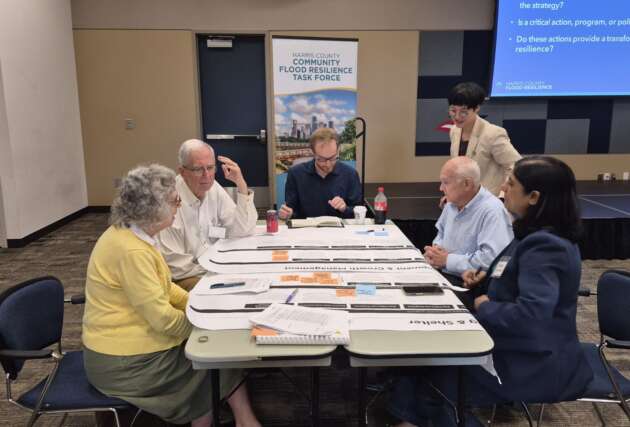
A central theme was the importance of shared responsibility. Members emphasized that reducing flood risk, especially for the most vulnerable residents, must be led by public agencies and regional partners, not placed solely on individuals. This includes improving how information is shared with the public through clear, practical guidance that helps residents prepare without feeling overwhelmed.
Partnerships also emerged as critical to success. Trusted community networks such as civic associations, schools, and local organizations play an essential role in sharing information and elevating local knowledge. At the same time, government agencies, private industry, and regional partners must work together to address flood risk at scale, including coordinating across jurisdictions and supporting safer, more resilient development.
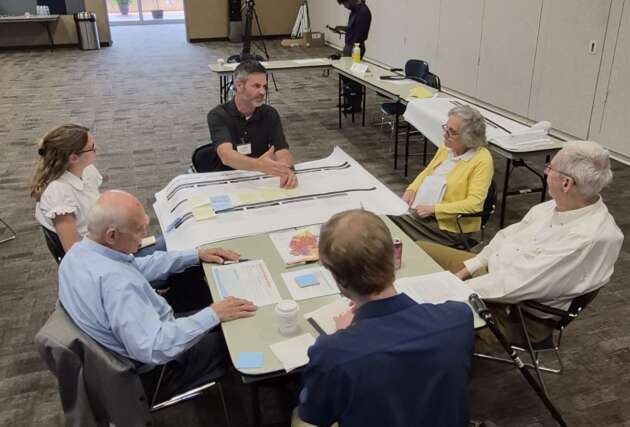
The group also discussed long term strategies to reduce risk, with a focus on more responsible and better regulated development in flood prone areas. Additional strategies included proactive land acquisition and the continued use of nature based solutions to help manage water and protect communities. Preserving open space, expanding stormwater detention basins, and improving how land absorbs water were all highlighted as important tools.
CFRTF members also considered how future conditions, including more intense rainfall and continued development, may increase flood risk over time, reinforcing the need for forward looking planning.
Finally, the Task Force emphasized the importance of transparency, particularly around how decisions are made and how funding is allocated. Ensuring that investments are both data-informed and responsive to community needs remains a top priority.
These conversations help guide the ongoing work of the Flood Control District to reduce the risk of flooding across the region. By pairing technical expertise with community insight, the Flood Control District can better plan, design, and implement projects that reflect real needs on the ground. As these ideas continue to take shape, they will inform future efforts to strengthen stormwater infrastructure, improve planning, and support safer, more resilient communities throughout Harris County.