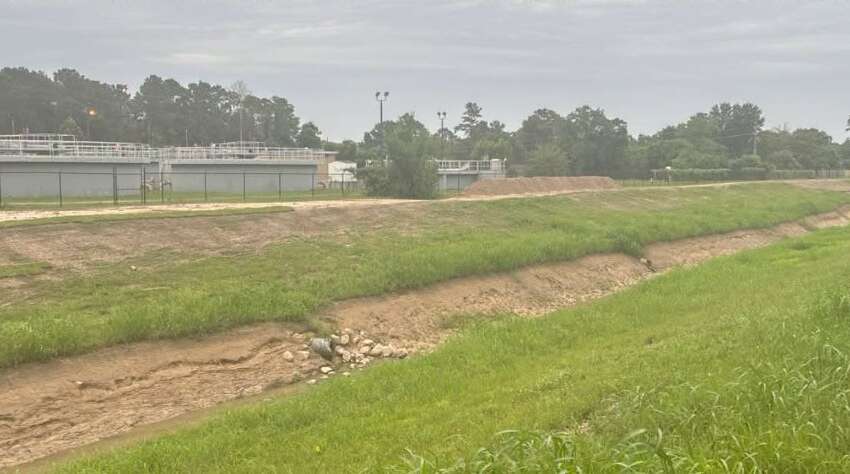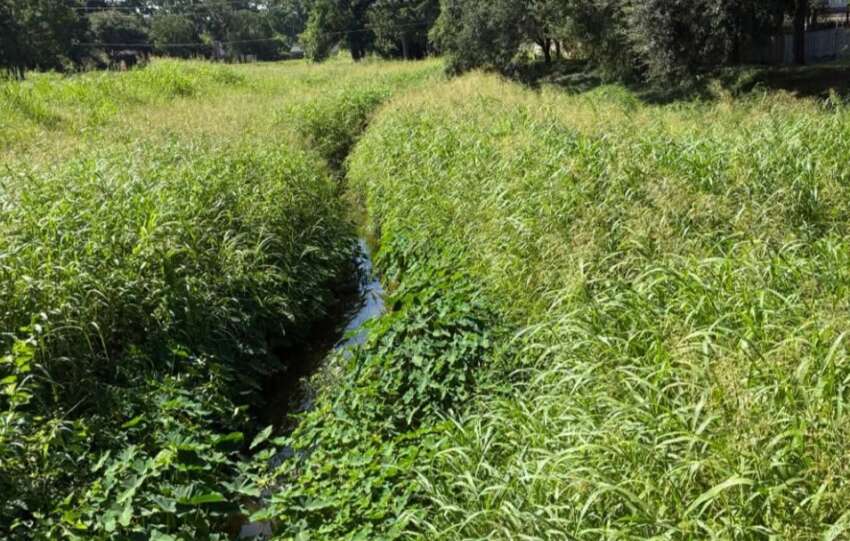
This article continues our two-part series marking the one-year anniversary of Proposition A, the maintenance funding measure approved by voters in November 2024. In Part 1, we reviewed the major accomplishments achieved during Fiscal Year 2025. In Part 2, we look ahead to Fiscal Year 2026, explore what residents shared during the recent public meetings,…
The Flood That Built the Flood Control District
The Great Houston Flood of 1935 was the worst flood event in Houston’s history up to that time. An intense 42-hour period of rainfall occurred from December 6 through December 8. While the City of Houston received 5.5 inches of rain, areas to the northwest saw far…
One year ago, Harris County voters approved Proposition A, giving the Harris County Flood Control District the reliable maintenance funding needed to care for the drainage system that supports millions of Harris County residents. To mark this important anniversary, the Flood Control District held two virtual public meetings this November to share maintenance accomplishments from…
The Harris County Flood Control District is constantly finding innovative ways to efficiently maintain its large network of bayous, channels, and stormwater detention basins. One of the tools making a difference is drone technology. By using unmanned aircraft systems (UAS), the Flood Control District can inspect, document, and even repair hard-to-access areas more safely and…
Thanksgiving Day can feature a wide range of weather for the City of Houston and Harris County, from low temperatures below freezing to high temperatures in the upper 80’s, with an average temperature around 60°F.
The coldest temperature recorded on Thanksgiving Day was 23° in 1911 and the hottest was 87° in 1973 at George…
From past floods to future strength, our two-part series explores how Brays Bayou’s story is one of change, resilience, and community progress.
(Read Part 1: Brays Bayou Through the Years: A History of Changes)
In the mid-1980s, the U.S. Army Corps of Engineers conducted watershed studies examining Brays Bayou and surrounding watersheds. Their findings concluded…
Flooding is a major concern for residents of Harris County, and truly understanding flood risk includes learning about how much stormwater our detention basins can hold. The Harris County Flood Control District reports storage capacity in acre-feet, a unit of measurement that helps engineers plan and design flood risk reduction projects.
An acre-foot is a…
From past floods to present progress, this two part series on Brays Bayou’s history highlights more than a century of change, resilience, and ongoing work to reduce flood risk for surrounding communities.
Brays Bayou begins near Mission Bend in northern Fort Bend County and flows east about 31 miles through southwest Harris County before joining…
The Harris County Flood Control District is committed to increasing the efficiency and effectiveness of its drainage infrastructure to better serve the residents of Harris County.
Planting wildflowers is a beneficial practice that promotes native vegetation and beautifies the local landscape. Planting slow-growing wildflowers can delay the first mowing cycle, saving maintenance dollars and allowing…
The Harris County Flood Control District recently wrapped up the first round of listening meetings for the Solutions for Advancing Floodplain Evaluation and Resilience Study (SAFER) Study. These meetings gave residents a chance to share experiences, ask questions, and talk about ideas for reducing the impacts of flooding. The SAFER Study is a major effort…